
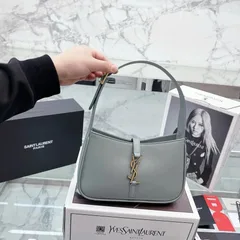
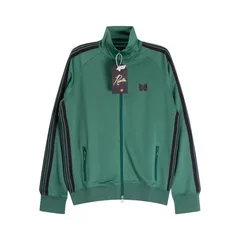
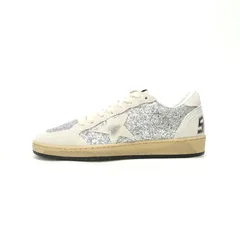
OopBuy Spreadsheet: Bring the Outfit Together
A matching set makes a starting point; a different shoe or bag makes it your own. Explore the OopBuy spreadsheet collection to compare clothing, shoes and accessories by category.
Open the product you like to see its pictures, available price and purchase option. Keep alternatives separate until you choose, then follow the buying, sizing and QC guides for that particular item.
Find an item, then make the comparison specific
For footwear, use the OopBuy shoes shortlist guide to move from a category to a specific pair and size question.
For garments, the OopBuy clothing guide connects category browsing to the role and proportions of an outfit before you compare measurements.
The women's selection guide explains how to browse those general categories without mistaking a size label for a confirmed cut or fit.
Browse T-shirts to start with a category. Open a selected item's details before judging its options or fit. A category view is not a saved size selection.
Ask what would decide the choice for you. A measurement, included quantity or clearly described option is more useful than a vague favourite label. If two entries refer to the same listing, understand whether they are different options rather than counting them as unrelated alternatives.
For a specific design comparison, open the white floral-lightbulb graphic T-shirt. Decide whether the print is the feature you want, then check the intended option independently. If size information is unavailable, keep it as a design candidate rather than a confirmed fit.
For a different layer, inspect the mint-green heart-A knit or browse hoodies and sweaters. Compare sleeve and body measurements using the same method; the tee and knit are separate products, not interchangeable size references.
For footwear, inspect the black-and-silver Gel-1090 sneakers or browse shoes. Keep the chosen size with that pair's own information. These OopBuy destinations are browsing references, not an OopBuy cart or assurance of current stock.
Compare two candidates without borrowing their details
Give both candidates the same question. If your priority is length, compare measurements that use the same starting point and unit. If your priority is the design, compare the relevant views before carrying either candidate into a size decision. A clear chart for one item does not fill the gap in another item's listing.
Imagine, hypothetically, that one saved top has the print you prefer while another has clearer measurements. Keep those advantages separate. Do not create an imaginary combined product by attaching the second top's measurements to the first top's picture. Ask for the missing information or choose a candidate whose relevant details you can establish.
Keep three different lists within your plan
Your inspiration list can contain many alternatives. Your active shortlist should contain the candidates you are currently comparing. Your order record should reflect only the selections actually confirmed in the relevant account. Moving a row between your personal lists does not submit or change an order.
After a decision, keep its reason with the selected option. If you later replace the item, revisit the affected measurements, pictures and price rather than allowing the replacement to inherit the earlier assessment. This matters especially when similar-looking products appear in several collections.
Decide what the next check can actually prove
A matching title can help identify a product. A suitable measurement photograph can answer one dimension. An account event can confirm a particular stage. None of these alone establishes all the others. Keep a short, precise conclusion for each check and use the guides below for the question that remains.
Continue with the question you need answered
Use QC photos for visible item questions and the size guide for measurement comparisons. For progress after an account action, read order status, support, tracking and warehouse guidance.
For parcel planning, use shipping calculator, delivery time and shipping. Keep a quote's inputs and date attached to its amount; do not treat an earlier estimate as your current total. Open the German section for the corresponding language guidance.
Expand the check where a pattern appears
Imagine that two sampled rows lead to one listing while being described as different products. This is a hypothetical example. First determine whether they are genuinely different options of that listing. If so, record them as options. If the descriptions conflict with the page, inspect more of the category before relying on its labels.
Do not report a failure percentage from an improvised handful of rows as though it represents the whole collection. A more useful conclusion is specific: which rows were checked, what mismatch appeared and what you still need to establish.
Duplicate destinations are not automatically harmful. Multiple colours can be worth keeping. The problem is counting them as independent alternatives without understanding the relationship, or carrying one option's measurements over to another without checking.